
Step Counter - Pedometer
Hitchhike Tech
Downloads
50,000,000+
Version
Latest
Click to download now, finish the installation quickly, and directly unlock the all-round experience
Screenshots
Click to download now, finish the installation quickly, and directly unlock the all-round experience
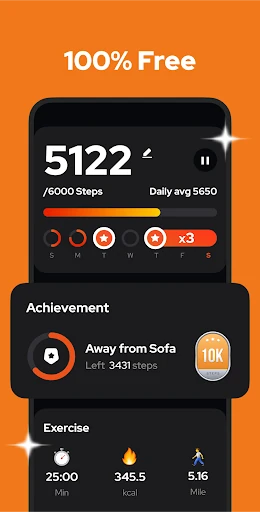
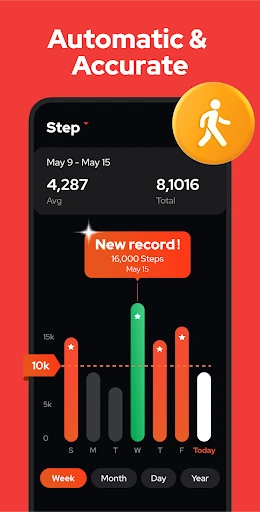
Step Counter - Pedometer enters the saturated Health & Fitness market with a refreshingly streamlined approach, prioritizing battery longevity and user privacy over complex, data-heavy features. By leveraging built-in hardware sensors rather than power-intensive GPS tracking, it addresses a primary pain point for long-term fitness tracking: battery drain. As a Senior Analyst, I find its "offline-first" architecture and commitment to a login-free experience to be a significant competitive advantage for users seeking a reliable, low-friction tool to monitor their daily physical activity.
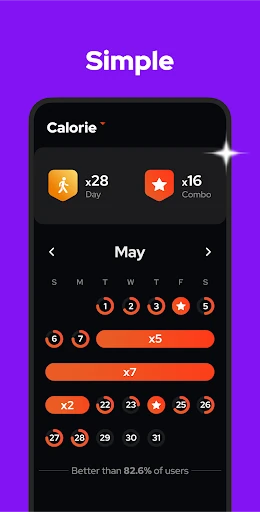
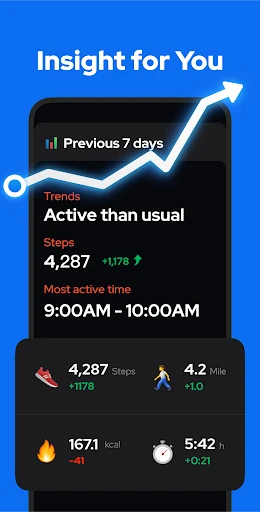
The UI/UX design of Step Counter - Pedometer is centered on immediate accessibility. The "one-tap" start philosophy eliminates the setup fatigue often found in more complex health suites. The interface adheres to clean, modern Android design principles, utilizing high-contrast typography and clear iconography to ensure readability for users of all ages. From a UX perspective, the ability to adjust sensor sensitivity is a critical inclusion, as it allows for a personalized experience across different hardware specifications, though the reliance on system-level background processes remains a minor hurdle for some device types.
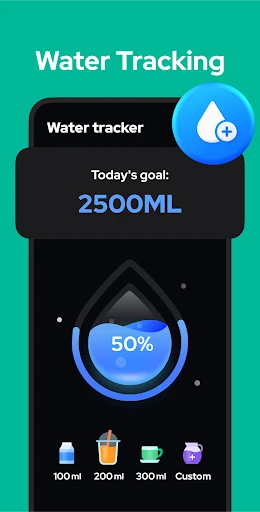
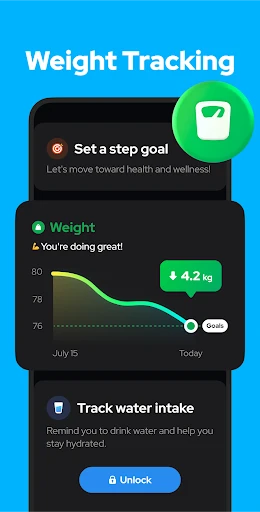
To elevate the app further, the developers should prioritize the implementation of the teased "Health Suite" features, specifically the water reminder and body weight recording, to provide a more holistic health overview. Furthermore, providing detailed, device-specific guides to help users navigate Android's aggressive "Battery Optimization" settings would mitigate the issue of missed steps on certain manufacturer skins (like MIUI or EMUI).
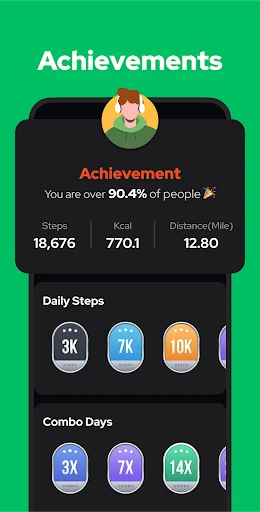
Step Counter - Pedometer is an excellent recommendation for the "utility-first" user. It is specifically designed for individuals who value privacy, battery life, and simplicity over social feeds and community challenges. It is the ideal companion for seniors, privacy-conscious walkers, and those using entry-level hardware who want to achieve the 10,000-step daily goal without the overhead of a complex fitness ecosystem.